Part One: The Problem
Chapter 3: How Fiat Works and Why It Inflates
Where dollars actually come from, how the Fed's dial reaches your mortgage, and why a little inflation is policy.
How the chapter opens
Most Americans have never been taught where dollars come from; school rarely covers it. Once you understand it, the news about interest rates, the Federal Reserve and the national debt starts to make sense. You’ll also understand why your car loan or mortgage costs what it does.
Key ideas
Try this
Look up today’s federal funds rate and your savings account’s interest rate. Subtract the latest inflation rate from your savings rate. If the answer is negative, that’s how much purchasing power your savings are losing each year. Then check the interest rate on any loans or credit cards you have. Which way is the Fed’s dial working for you, and which way against you?
In this chapter
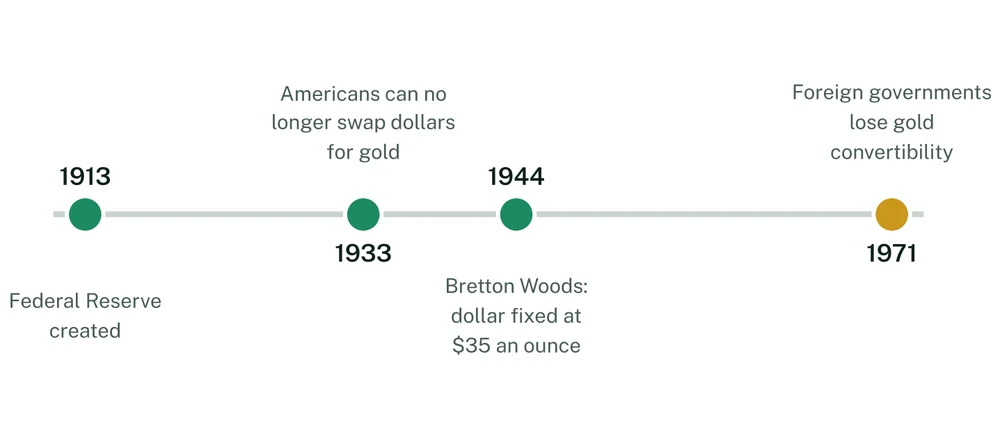
- From gold to faith
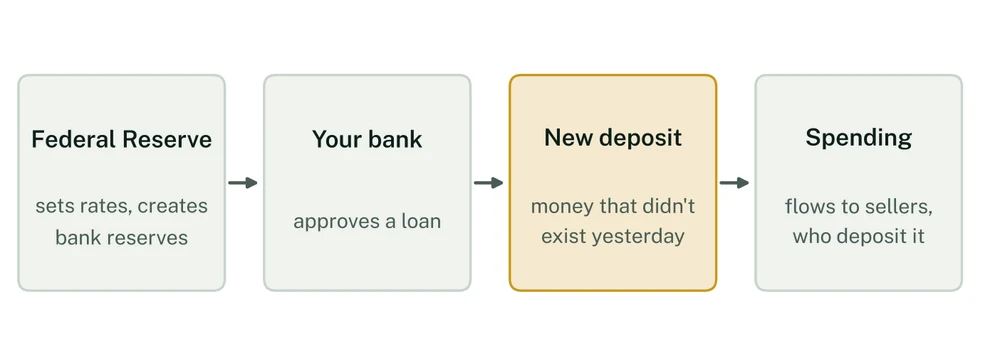
- Who makes the money?
- Worked example: a loan becomes money
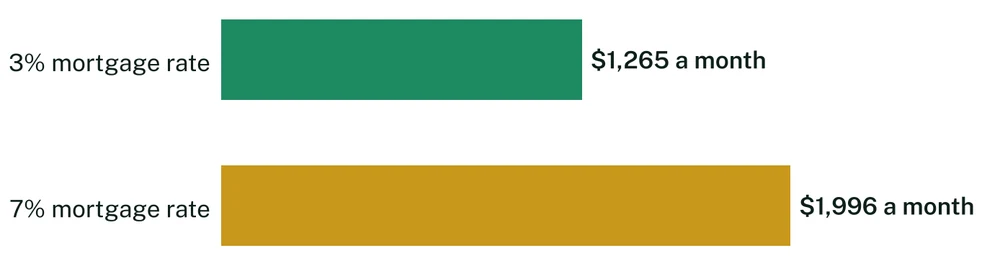
- Interest rates, the master dial
- Quantitative easing and who gets the new money first
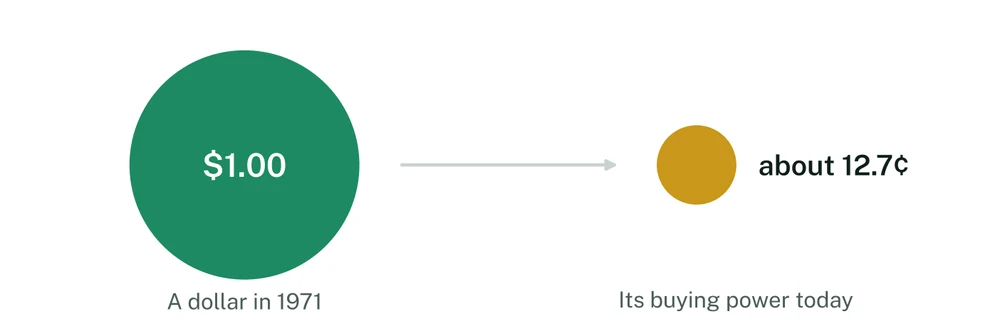
- Why governments like a little inflation
- When it goes wrong: hyperinflation
- The big picture
Read the whole chapter
The book walks through every idea here with worked examples and real numbers.
Get the bookFrom the chapter
The charts