Part Three: The Practice
Chapter 11: Taxes, Records and Rules
How the IRS treats crypto, worked tax examples, Form 1099-DA and a record-keeping habit that saves weekends.
How the chapter opens
Nobody gets into crypto for the tax paperwork, yet plenty of people get into trouble because of it. The basic rules are simple, and good records make tax season easy. This chapter is a general overview of US federal rules, not tax advice. Tax law changes and your situation is your own, so confirm details with a tax professional or the IRS each year.
Key ideas
Try this
Create your crypto records spreadsheet today, even if you haven’t bought anything yet, with a tab for each account or wallet you expect to use. When you make your first purchase, logging it will take a minute, and you’ll never have a Carlos-style shoebox weekend.
In this chapter
- Carlos’s shoebox
- Crypto is property
- What is and isn’t taxable
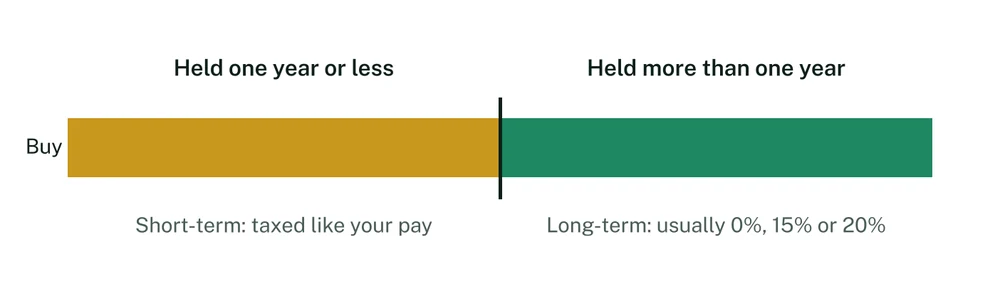
- Short-term vs. long-term
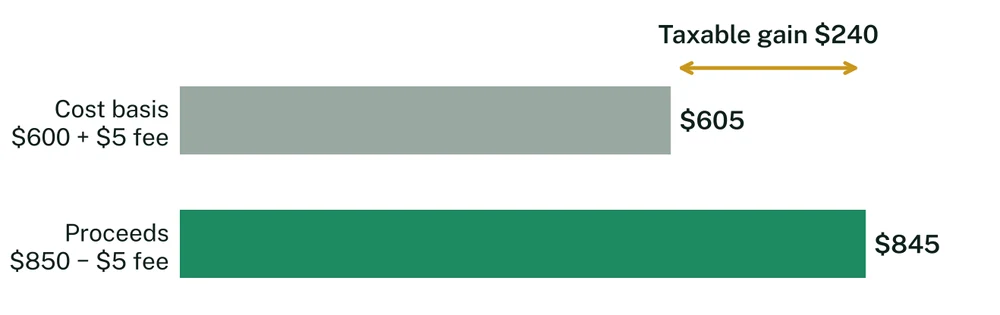
- Worked example 1: a simple sale
- Worked example 2: a coin-for-coin trade
- Worked example 3: the $5 coffee
- Worked example 4: income from staking
- Losses can help
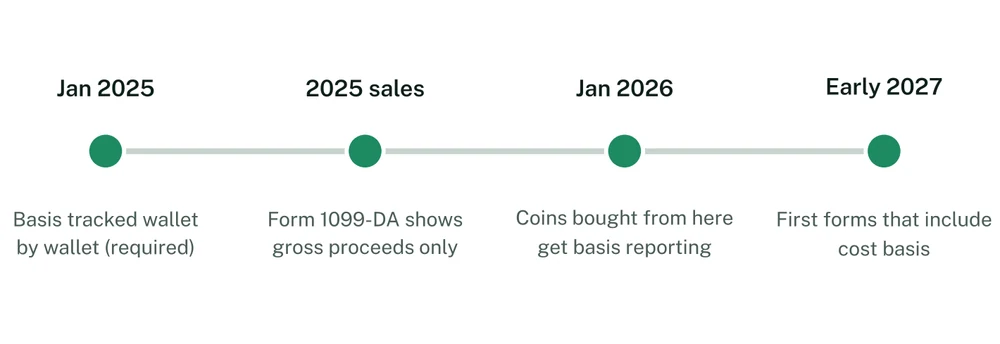
- The forms you’ll see
- Keep records from day one
- The wider rules: where US regulation stands
- Gifts and donations
- Your tax-season checklist
- Common crypto tax mistakes
Read the whole chapter
The book walks through every idea here with worked examples and real numbers.
Get the bookFrom the chapter
The charts